
Voices of Youth Justice: Leaders Who Are Shaping Youth Justice
Voices of Youth Justice: Leaders Who Are Shaping Youth Justice
Across the state, young people with experience in the justice system, community-based organizations, probation leaders, and advocates are working toward a shared vision: a youth justice system grounded in accountability, health, and healing, not punishment.
This shift away from a punitive approach to youth justice is happening in real time. Probation leaders are building new programs that help young people reenter their communities with dignity and purpose. Youth with lived experience are now advising the state on policy decisions once largely made about them, without them. Advocates are leading community programs that offer education, housing, and leadership pathways during and after incarceration. Each step reflects a growing commitment to restoration over punishment and to believing in young people’s potential to lead.
We’re grateful for the leaders featured here, and for the many partners statewide who are pushing youth justice toward healing, accountability, and hope. This list represents just a fraction of the work happening across California, and we’re excited to continue to celebrate the leaders doing this vital work.
Keven
Keven is a member of OYCR’s Youth Advisory Board (YAB) and a leader whose experience within the youth justice system fuels his commitment to helping expand education, mentorship, and leadership opportunities for young people returning to their communities. Now a college student and active participant in the Second Chance program, Keven uses his story to advocate for transformation within the youth justice system.
Through his leadership with YAB, Keven helps shape policies and programs that center youth voices and promote healing approaches and alternatives to incarceration.
“I want people to know that people like me aren’t lost causes; we’re the future leaders. All we need is opportunities and for people to believe in us.”

Victoria
Victoria is a youth justice advocate and member of OYCR’s Youth Advisory Board, where she uses her lived experience to inform policy and improve support for young people impacted by the justice system.
After her experience in youth justice facilities, she became committed to changing the systems she once moved through, focusing on reentry, education access, and community-based alternatives to incarceration. While working on her AA in Sociology with a minor in Ethnic Studies, she works alongside state leaders and community organizations to elevate youth perspectives in decision-making spaces. Her advocacy centers dignity, accountability, and healing, ensuring that policies reflect what young people truly need to thrive.
“I envision a system that isn’t punitive and that is genuinely rehabilitative. Young people have to be rehabilitated, but it’s about making sure we have best outcomes and high-quality care.”
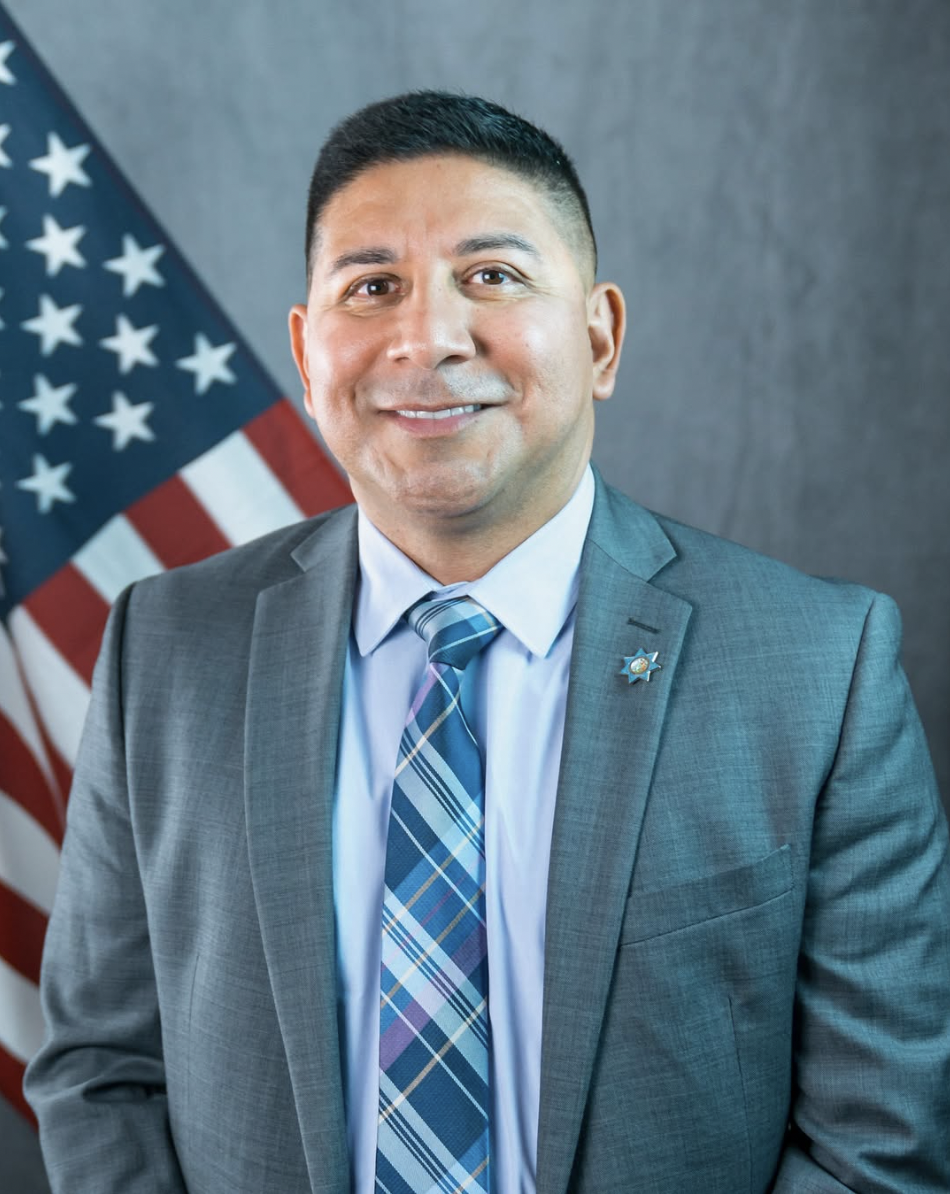
Assistant Chief Jose Pantoja
Jose Pantoja is the Assistant Chief (formerly Deputy Chief) of the Madera County Probation Department, where he has served for over 27 years. He plays a key role in implementing California’s youth justice realignment reforms, which shifted the responsibility of housing and supporting justice-involved youth from state facilities to local counties.
Under his leadership, Madera County has launched and expanded programs such as less restrictive placement grants, workforce development training, and individualized case planning to support youth success.
“I think it’s important that, with this population, we really treat them with compassion and respect, balanced with accountability. That’s been the culture we try to create in our facility from day one.”

Susie Rivera
Susie Rivera is an OYCR Consultant whose experience navigating the youth justice and foster care systems informs her commitment to centering youth voices in California’s youth justice transition. Susie supports the Youth Advisory Board (YAB) by helping to create the conditions for youth to lead—including facilitating meeting spaces, coordinating communication, and ensuring that youth perspectives are incorporated into policy discussions and statewide initiatives.
Her work focuses on recognizing youth as experts in their own lives. Through storytelling, mentorship, and community collaboration, Susie helps ensure that youth are not only heard, but equipped and resourced to shape the systems that impact them.
“We can’t incarcerate, jail, or medicate out of our problems. Deep healing is needed, and it can only happen if we look at the root cause, not manage the symptoms.”
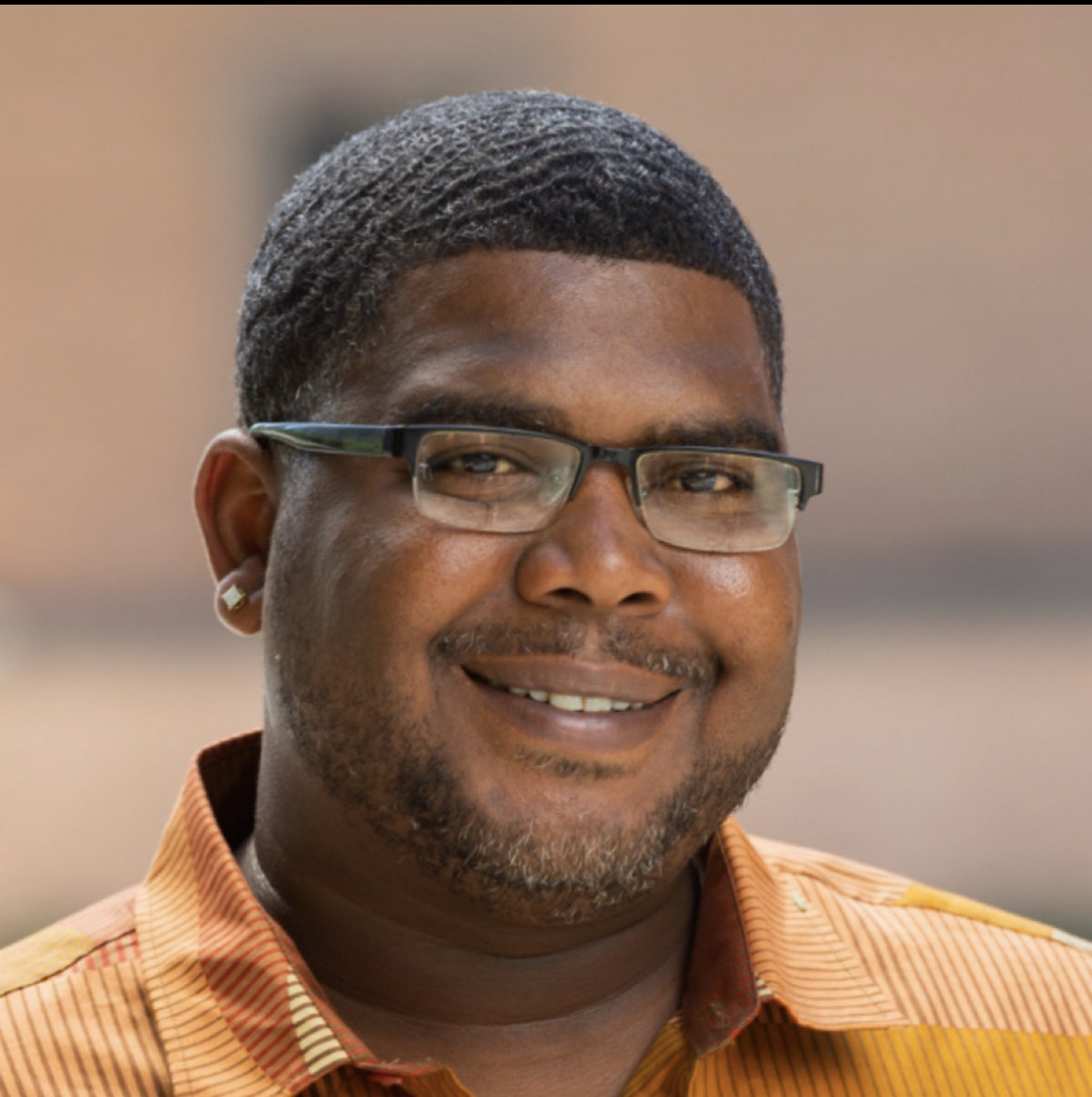
Tommy Morris
Tommy Morris, Program Officer at the California Wellness Foundation, is the Co-Chair of the CBO Capacity Building Initiative, a statewide effort launched by OYCR to strengthen community-based organizations serving young adults in the justice system. Under his leadership, the initiative supports organizations across California to build infrastructure, receive technical assistance, and expand capacity so that healing-centered, culturally responsive programs can reach those who need them.
The initiative has supported organizations like Three Sisters Gardens, a community-led urban farming collective in Sacramento that employs and mentors those who are returning home from incarceration, with funding, technical assistance, and capacity-building support to expand the organization’s work. Tommy’s own lived experience within the justice system drives his commitment to supporting systems change and community-driven approaches to justice.
“I’m one out of hundreds of thousands who have experienced the carceral system that are now living productive lives and doing great work. I’m just one of so many. And we need to continue to tell those stories and uplift those folks because that proves that the work we’re doing works.”
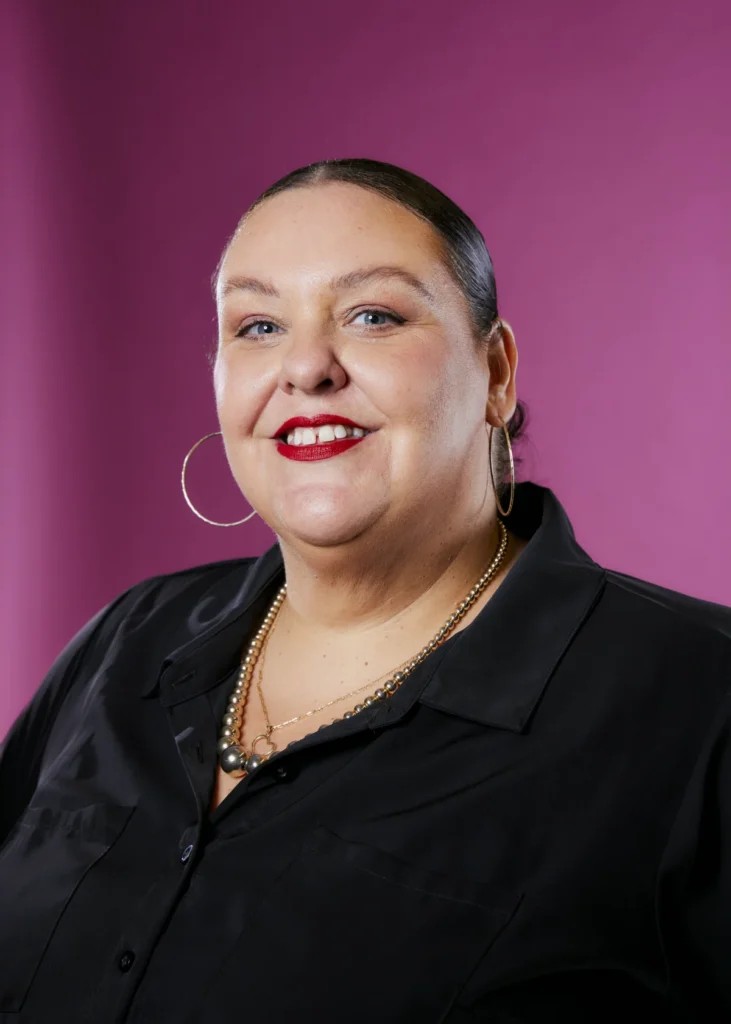
Jessica Nowlan
Jessica Nowlan is the Founder of ReImagine Freedom and former Executive Director of the Young Women’s Freedom Center (YWFC), where she began her journey as a youth participant in 1996. As a young person navigating incarceration and life on the streets of San Francisco, Jessica found in the YWFC a community of powerful young women, girls, and trans folks who shared her experiences.
Over the years, Jessica’s work and commitment to the YWFC’s mission led to her return to the organization as its Executive Director in 2015. Under her leadership, the YWFC expanded from one site in San Francisco to five locations across California, launched the Sister Warriors Freedom Coalition, Beloved Village, and ultimately, the statewide umbrella organization ReImagine Freedom.
As a mother and movement leader, Jessica has dedicated her life to creating pathways for women and gender-expansive people who are systems-impacted to lead with power and purpose.
“When [we] see girls who are doing sex work, who are in juvenile hall, who are in foster care, we’re saying…Let’s invest in them. Let’s create safety. Let’s create economic pathways. Let’s create space for them to develop critical thinking skills and political analysis.”
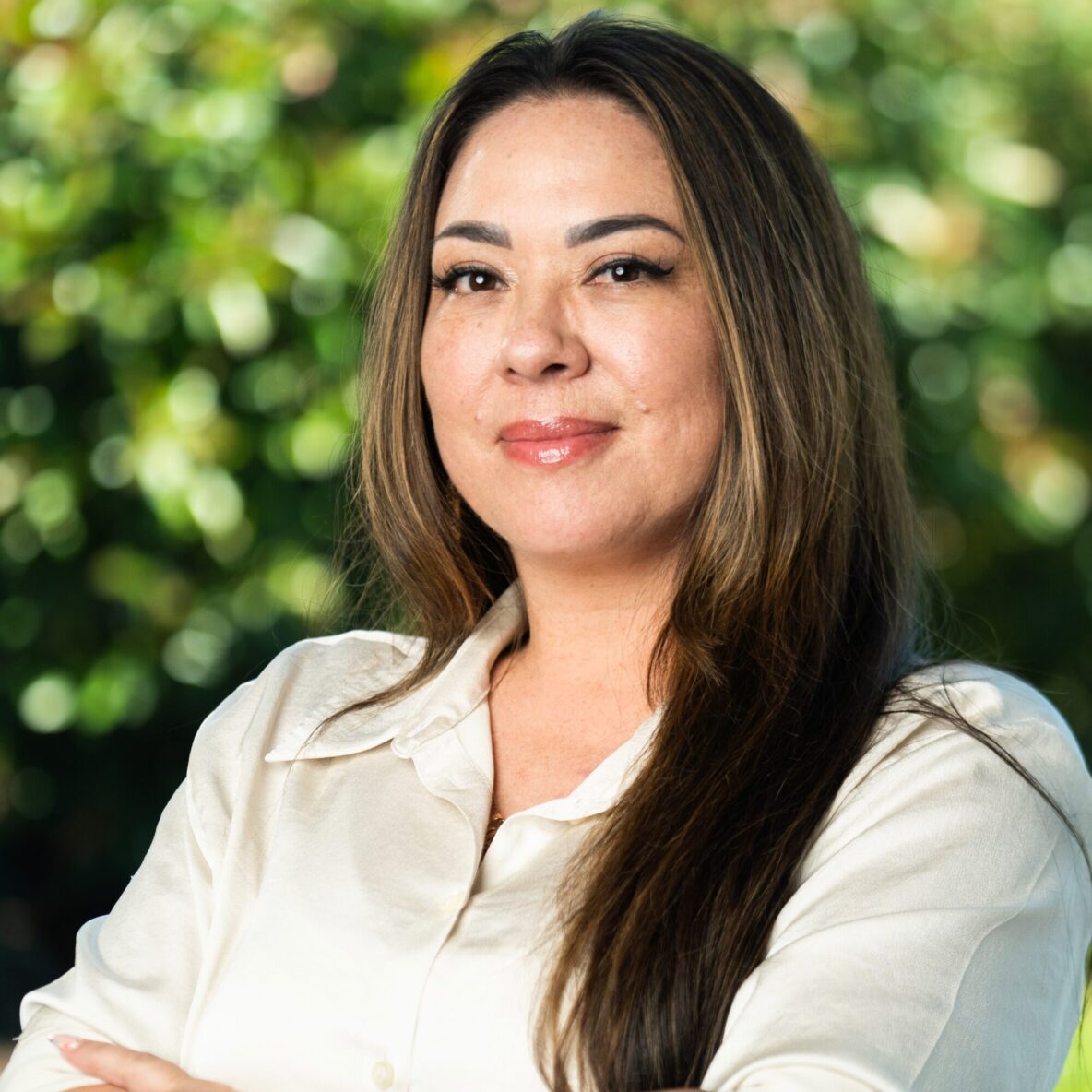
Amika Mota
Amika Mota is the Executive Director of the Sister Warriors Freedom Coalition, a statewide network of women, girls, and gender-expansive people who are formerly incarcerated and leading the work to end the criminalization of women and trans people in California.
Amika joined the Young Women’s Freedom Center, her first job post-incarceration and what she calls her political home. It was there that she began rebuilding her life, reconnecting with family, and navigating reentry in a rapidly changing world. Over the past decade, Amika has helped shape the Center’s organizing, policy, and reentry work, including building its first policy team, which is now active in five counties across the state.
In 2017, Amika helped launch the Sister Warriors Freedom Coalition, where hundreds of women, girls, and trans leaders gathered in Oakland to define policy priorities and demand systemic change, which has grown into an independent, statewide organization with its own staff and budget, deeply connected to the broader movement for freedom that began at the Young Women’s Freedom Center.
“What’s front and center is protecting our people, showing up for our people, showing solidarity. If we allow ourselves to be consumed, we cannot survive as the freedom fighters we are.
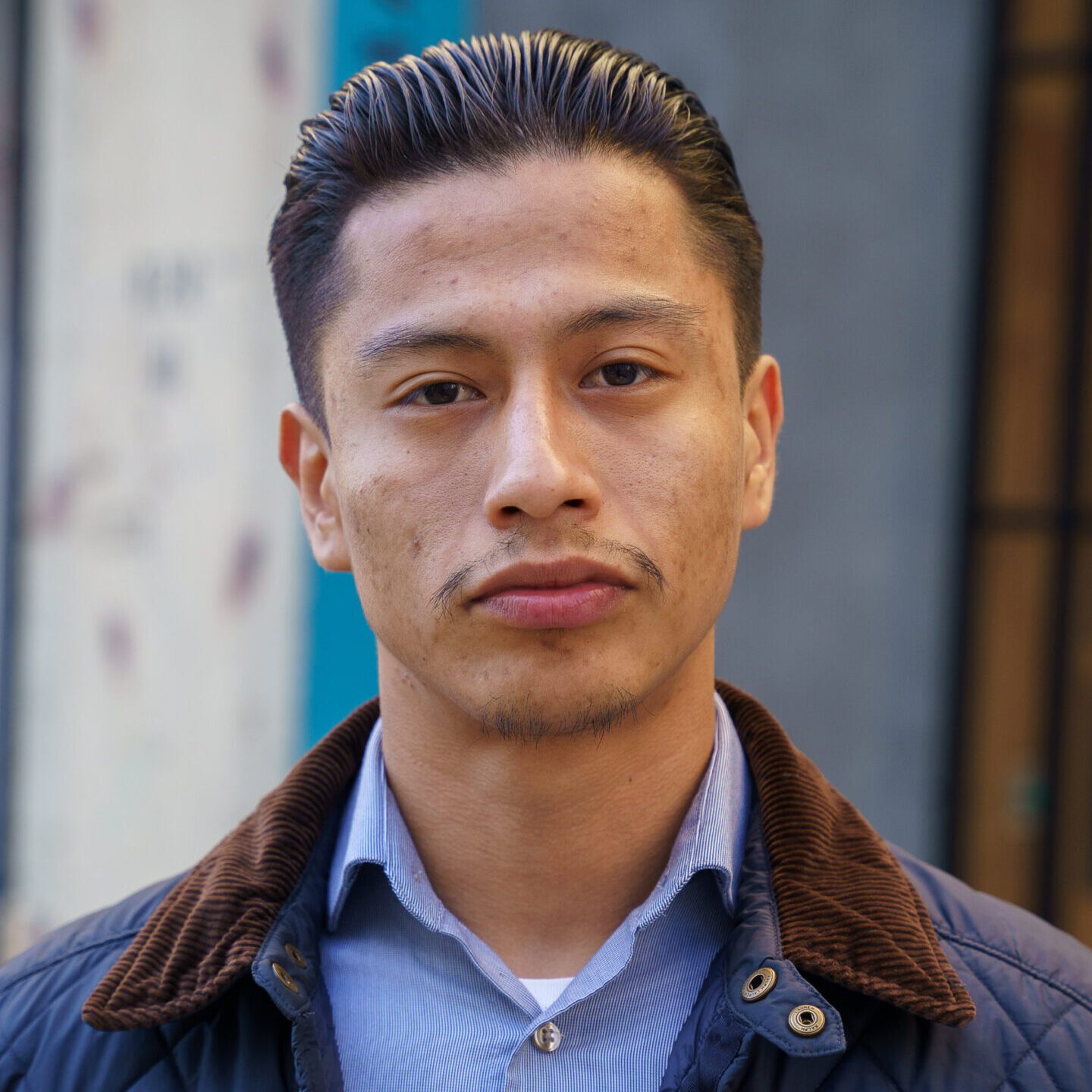
Kent Mendoza
Kent Mendoza is the Associate Director of Policy at the Anti-Recidivism Coalition (ARC), a member of California’s State Advisory Committee on Juvenile Justice and Delinquency Prevention (SACJJDP), and recipient of the Office of Youth and Community Restoration’s 2024 Outstanding Youth Justice Advocate Award. A leader whose life and work embody transformation, Kent draws from his experience within the justice and immigration systems to advocate for fairer, more compassionate policies at the local, state, and federal levels.
Kent uses his story to inspire change: pushing policy, shifting public perception, and empowering young people through mentorship, art, and storytelling. He is a filmmaker, artist, and public speaker, using creative expression as a vehicle for advocacy. Kent also serves on several government boards and commissions, lending his voice and expertise to shape more equitable systems for youth and families across California.
“One piece of advice [for youth justice practitioners] would be to continue to figure out creative ways to gauge information from your community, see them as assets to get the things that you want to get done…use us as a resource and see the value in your community
Cristian Franco
Cristian Franco was appointed to California’s Advisory Committee on Juvenile Justice and Delinquency Prevention in 2024, where he currently serves as Vice Chair. Since 2017, he has served as Policy and Program Coordinator at Motivating Individual Leadership for Public Advancement (MILPA), where he implements healing-centered programs in youth facilities. Franco’s leadership, alongside fellow SACJJDP member Kent Mendoza, marks the first time that people who were formerly incarcerated have held the top two leadership positions on the committee, bringing lived experience to the forefront of state decision-making.
Franco’s journey began when he was incarcerated as a teenager in the California Youth Authority, where he earned his GED and high school diploma and completed trade courses in HVAC, automotive repair, and other skills. He later became a peer mentor, welcoming and guiding newly incarcerated youth and helping them find purpose and direction through education and community. That experience shaped his commitment to creating pathways for young people to heal, lead, and reach their full potential.
“I think my job now is to bring up the next wave of youth leaders, advocates, and people with their own experience that’s going to help shape our success moving forward… My goal is that other young people that are trapped in the system can overcome it, and that they don’t have to look back.”