
Voices of Youth Justice: The Power of Intervention: How OYCR Supports Young People at Every Step
Voices of Youth Justice: The Power of Intervention: How OYCR Supports Young People at Every Step
“They stripped away everything I knew in the best way. They gave me healthy habits, great mentors, and a path forward.”
That’s how one young person described finding interventions that worked, in the Social Changery’s Please Don’t Give Up on Us report. This simple statement captures what has been observed in the thousands of youth who have interacted with the justice system: what young people need isn’t punishment, they need community support, opportunities to succeed, and connection.
The research backs this up. Youth who are justice-system involved face significant risks of educational disruption, reduced employment prospects, and an increased likelihood of future contact with the criminal justice system. Community-based approaches keep young people connected to support systems while addressing root causes like trauma and unmet behavioral health needs.
Education and Workforce Readiness
Up to 85% of youth in the justice system struggle with reading and writing. This gap makes it harder to access education, secure employment, and build stability after reentry. In 2024, OYCR launched its first Juvenile Court School Literacy Intervention Pilot Program in San Diego to help address this gap by providing targeted reading support to youth in juvenile court schools. The success of the pilot led to expansion into three additional counties during the 2025–26 school year, with continued growth planned for five more counties in 2026–27. This pilot program has expanded each year to include more counties. The program provides specialized reading support to youth in justice facilities, meeting them where they are and helping them build the foundational skills needed to complete job applications, enroll in college, or secure housing.
[Call out box: “Kids come into court with their certificates, and the smile and pride they have when they present that certificate takes my breath away. In addition to the progress they’ve made, it’s encouraging to see them recognize how important these skills are for their success.” —Judge Espana, presiding judge for the San Diego Juvenile Court]

OYCR is also lifting up best practices like pathways that make education tangible and career-connected. For example, the Youth Development Academy Fire Program gives young people hands-on training in fire science, a field with real, growing job opportunities in California, while building the discipline, teamwork, and peer bonds that stay with young people long after the program ends.
Culture and Healing
Effective intervention programming has to start with the adults who work with youth in the justice system.
The Girasol Young Women’s Rites of Passage training, named after the Spanish word for sunflower and led by the National Compadres Network, equips practitioners from community-based organizations, schools, probation partners, and others with the skills to support young women through life’s challenges. Before learning how to show up for youth, participants are asked to show up for themselves. Through guided storytelling, reflection circles, and hands-on activities rooted in Indigenous ancestry and cultural practice, practitioners do their own healing work first.
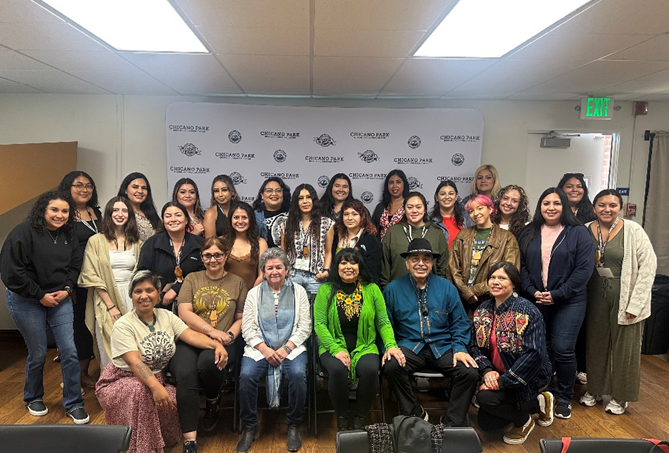
As Maestra Susie Armijo, one of the curriculum’s lead architects, explains: “People will say, ‘I thought I was coming to learn how to work with my girls.’ But what they realize is, ‘I think I need to learn how to work with myself first.'”
That design is intentional. Young people who are justice-involved are more likely to succeed when the adults around them reflect their culture and lived experience. Culturally rooted programming isn’t a supplement to effective intervention; it’s often what makes intervention work.
OYCR County Liaison Cecilia Simmons, who participated in the training, describes a shift it created in how she approaches her work: “I’ve slowed down. Not that my work product slowed down, but mentally I’ve slowed down, being able to take in conversations with others, because I feel like a lot of this work is really relationship-based.”
Youth Leadership
Young people most impacted by the justice system have critical insight into what works and what doesn’t. Beyond the value of their perspectives, their leadership itself is an intervention. When young people are given real responsibility and a platform to use their voice, they build the confidence, skills, and sense of purpose that carry into every other area of their lives.
[Call out box: “Having a voice and knowing how to use that voice leads to positive impact on me and my community.” — A young person with lived experience in the justice system]
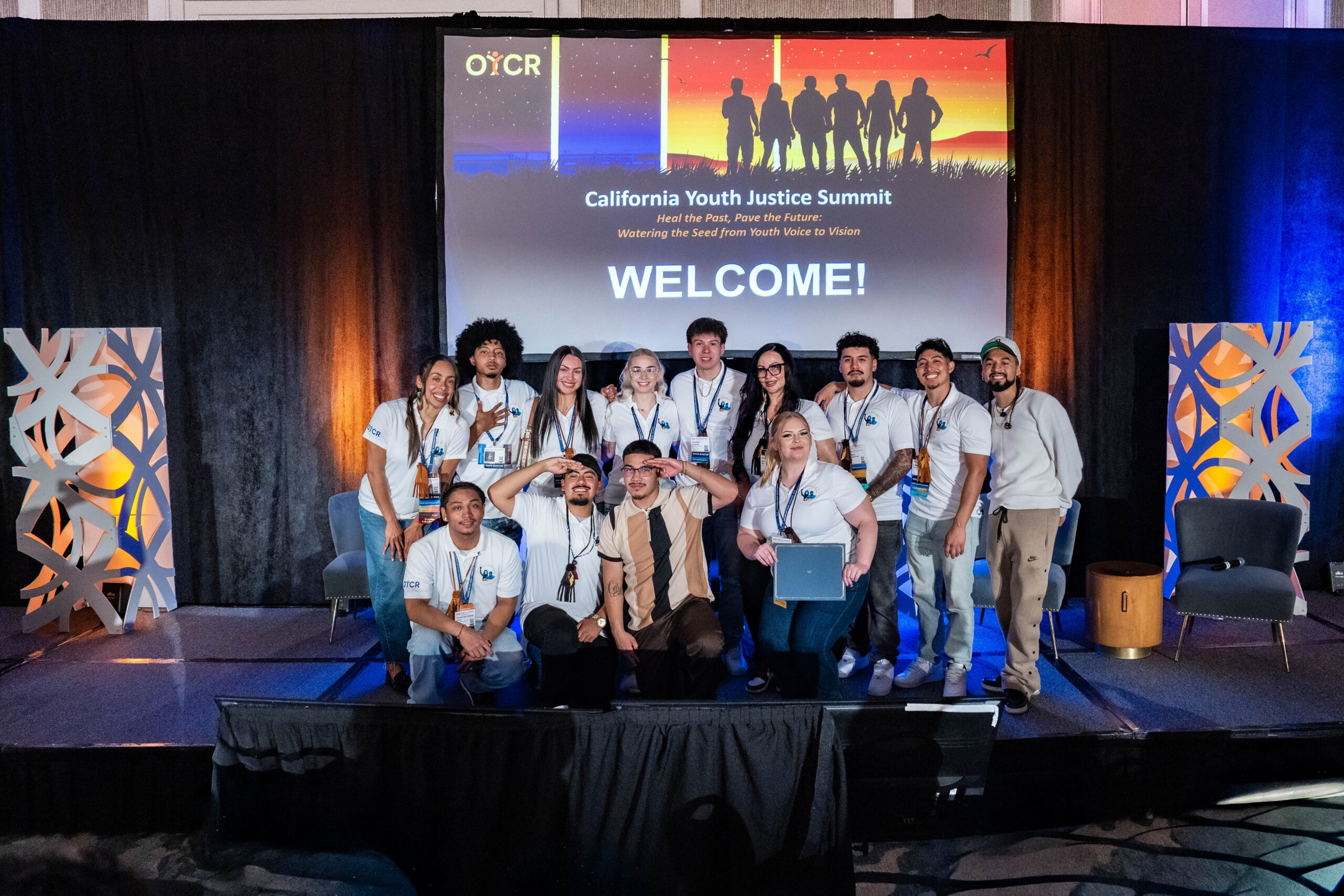
OYCR’s Youth Advisory Board (YAB) creates a formal pathway for youth to lead, advise, and shape the systems that affect their lives. Representing counties across California, YAB members attend conferences to present on youth justice topics, bringing firsthand perspectives directly to the people and institutions making decisions. Along the way, young people build skills from public speaking to policy advocacy that open doors to higher education, impactful careers, and lasting peer connections.
Community Partnerships
“The only real support I found came from a community organization,” said Parker F., a young person involved in the justice system. “They didn’t just go through the motions; they went the extra mile. They introduced me to mentors who saw potential in me, even when I didn’t see it myself. They guided me, connected me to opportunities, and showed me healthy habits that I’d never known.”
Community-Based Organizations (CBOs) are uniquely positioned to serve as intervention points because of how they operate: rooted in the community, responsive to individual needs, and free from the constraints that limit more formal systems. They can meet young people where they are, build trust over time, and offer the kind of consistent, relationship-driven support that changes outcomes.
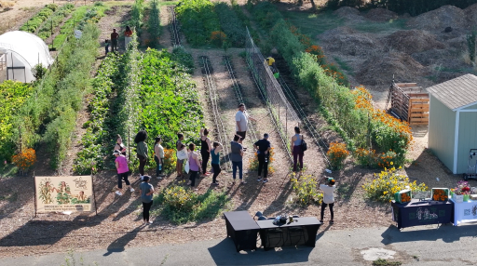
Across California, each CBO’s work looks different depending on the community’s needs.
- At Three Sisters Gardens in West Sacramento, youth grow food and grow into leaders.
- At Two Feathers Native American Family Services, combining basketball practice with therapy creates space for healing that honors each young person’s tribal identity.
- In Solano County, Rise Up House provides transitional housing, skill training, and 24/7 mentorship for young people stepping down from secure placements.
- Kindful Restoration meets community needs in real time, whether that means assembling care packages when a family’s food benefits lapse or replacing punitive community service with restorative opportunities.
Family and Emotional Connection
The research is clear: young people who stay connected to their families and communities during justice system involvement are significantly less likely to reoffend. That’s why OYCR invests in programming that preserves and strengthens those bonds, even when young people are incarcerated.

OYCR’s family visitation support program helps ensure that distance, cost, and logistics don’t sever the relationships young people need most. By keeping youth connected to the people who love them, OYCR is working to ensure that justice system involvement is a point of intervention, not a cycle that continues well into adulthood.
The young people at the center of OYCR’s work are not defined by their justice system involvement. They are students, leaders, farmers, firefighters, and community members. When they are well supported, that shows up in real, tangible ways: a certificate presented in court with pride, a young farmer stepping up to lead his peers, a college student who wasn’t sure she’d make it there. Scaled across counties and communities, these moments are what a successful youth justice system produces. OYCR’s work exists to make those moments possible and to ensure intervention isn’t a one-time opportunity, but a consistent presence at every step.